Oil Tank Truck
1.With its specialization and practicality, the oil tank truck has irreplaceable advantages in the field of oil transportation.
2.It has outstanding safety performance. The whole vehicle is equipped with multiple safety protection devices, including emergency shut-off valves at both ends of the tank, static conductive tape that can eliminate static electricity, pressure gauges and liquid level gauges that monitor the working conditions inside the tank in real time.
3.It is easy to operate and durable. The tank adopts one-time forming technology with few welds and strong sealing. It is equipped with a professional oil pump system, which can realize self-priming, self-pumping and gravity oil discharge, and the operation is simple. At the same time, the tank is anti-corrosion treated, with a long service life and suitable for various complex road conditions.
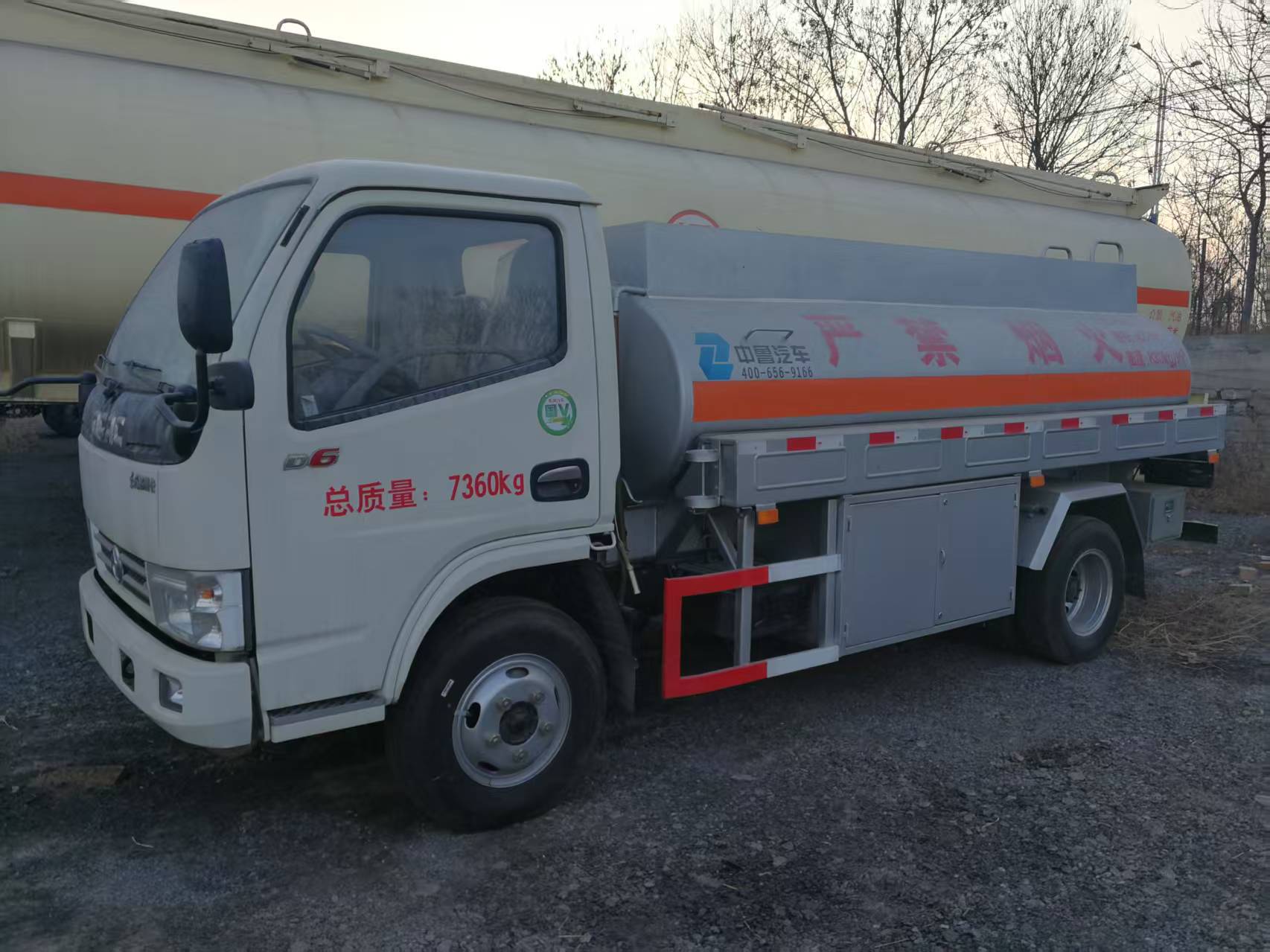
1.Oil Tank Truck, also known as mobile refueling truck or oil loading truck, is a special motor vehicle specially used for transporting liquid or gaseous fuels. It is widely used in key industries such as petroleum, chemical industry and energy, and is an indispensable carrier for dangerous goods transportation in the modern logistics system.
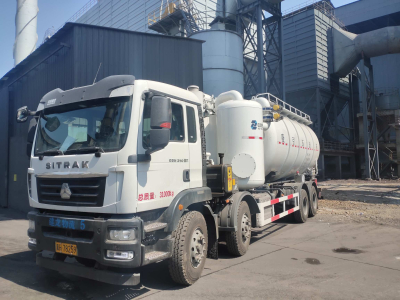
2.The core structure of the oil tank truck is mainly composed of three parts: chassis, tank and special system. All parts work together to ensure transportation safety and efficiency. As the bearing foundation, the chassis adopts special chassis of well-known brands such as Dongfeng, Jiefang and Auman. The driving form is divided into 4×2, 6×2, 6×4, etc. The engine power covers more than 290 horsepower to 350 horsepower, and the wheelbase is adjusted according to the size of the vehicle to ensure driving stability and bearing capacity. The tank is the core bearing component, mostly designed in elliptical or cylindrical shape. The materials are mainly carbon steel, stainless steel and aluminum alloy. Among them, carbon steel has moderate cost and convenient maintenance, which is suitable for conventional oil transportation; stainless steel is corrosion-resistant, suitable for transporting food-grade oil or corrosive oil; aluminum alloy is lightweight and corrosion-resistant, which is the first choice for modern high-end oil tank trucks. The inside of the tank is equipped with multiple reinforced anti-wave partitions, which can reduce the impact of oil during driving and enhance the rigidity of the tank. At the same time, it can be divided into single warehouse or multiple warehouses according to needs to realize separate transportation of various oils. The special system includes power take-off, oil pump system, pipeline control system and safety device. The power take-off connects the engine and the oil pump to provide power for the oil pump; the oil pump system adopts gear pump or centrifugal pump, and the unloading speed can reach 1000-3000L/min, meeting the unloading needs of different transportation scenarios; the pipeline control system is composed of three-way four-position ball valve, two-way ball valve, filter screen, etc., realizing the loading, unloading and switching of oil; in addition to emergency shut-off valve and static grounding belt, the safety device also includes breathing valve, anti-overflow probe, fire extinguisher, etc., to fully ensure transportation safety.
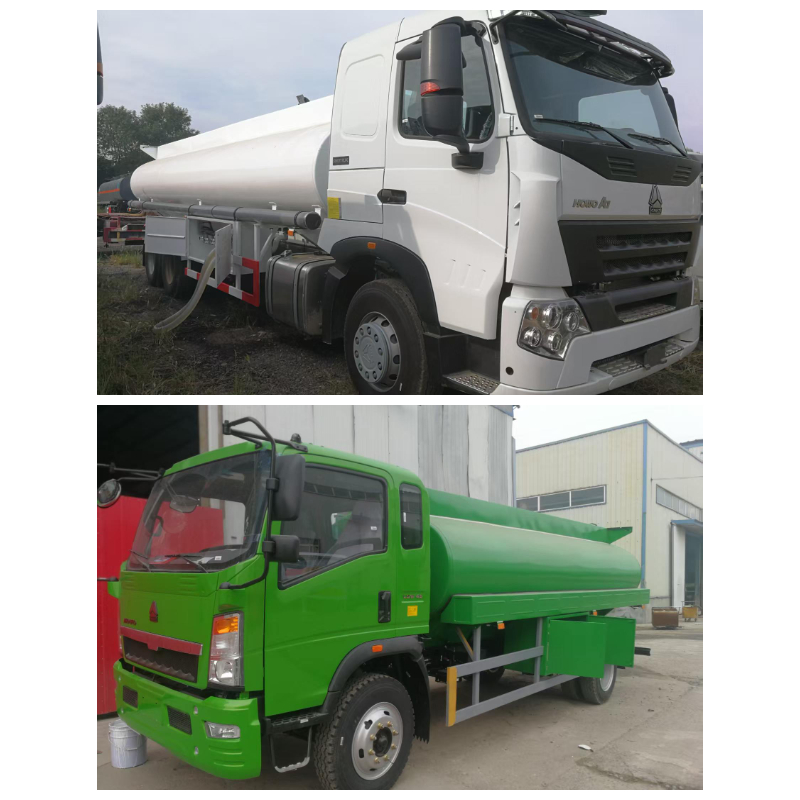
3.The technical parameters of the oil tank truck vary according to the size and purpose of the vehicle, and the core parameters are as follows: in terms of volume, the effective volume of small oil tank trucks is 5-15 cubic meters, medium-sized ones are 15-30 cubic meters, large semi-trailer oil tank trucks are 30-50 cubic meters, and some large semi-trailers can reach 60 cubic meters; in terms of design pressure, atmospheric pressure tank trucks are -0.5~3kPa, and pressure tank trucks can reach 0.4~2MPa; in terms of size and weight, the length of a single vehicle is 9000~13000mm, width is 2500mm, height is 3000~3500mm, curb weight is 8000~15000kg, and full load mass can reach 16000~49000kg (in line with Chinese standards); the medium density adaptation range is 700-1000kg/m³, which can be adjusted according to the type of transported oil; the unloading method is divided into gravity type and power unloading, and the common pipeline diameters are DN50 and DN80, meeting the needs of different unloading speeds.