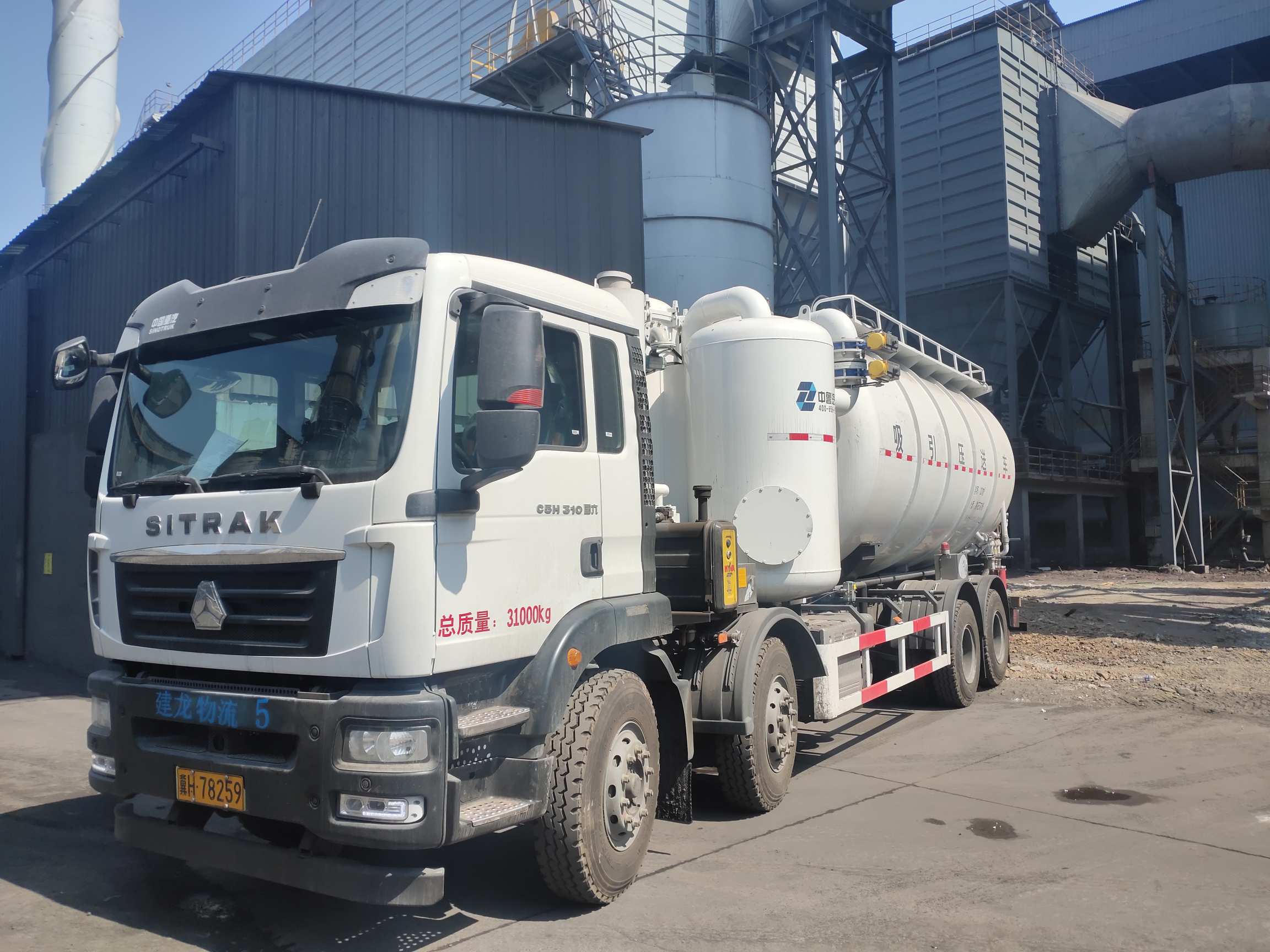
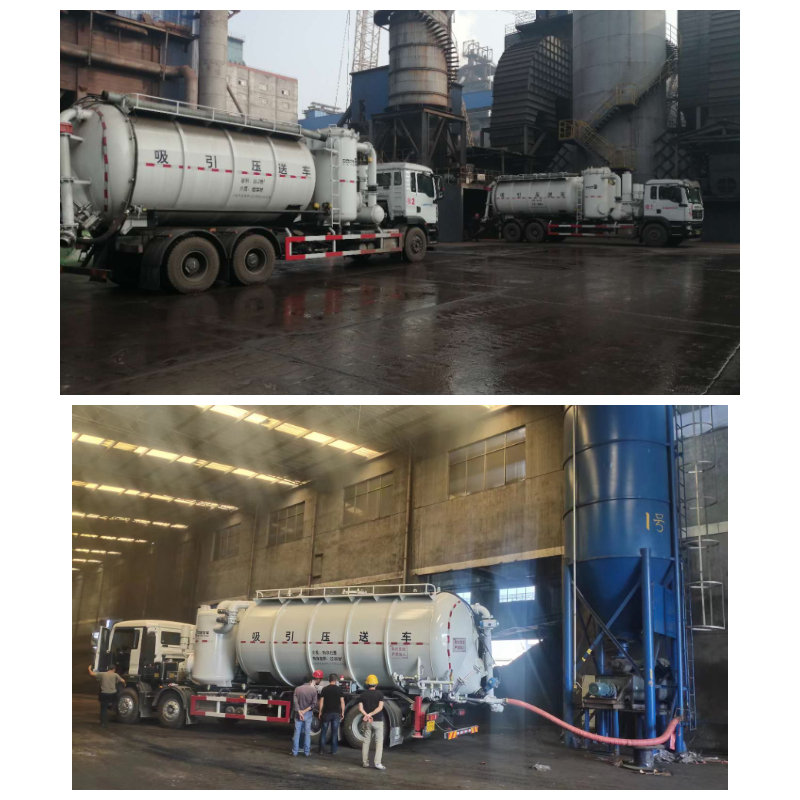
Negative pressure suction and discharge vehicle
1.Adopting a fully closed tank design, the tank material is corrosion-resistant and high-strength carbon steel or stainless steel, combined with an anti-overflow device and sealed pipeline connection,
2.which can effectively prevent material leakage, spilling and odor diffusion; some high-end models are equipped with a multi-level filtration system, the filtration efficiency can reach 99.9%, and the air emission concentration after filtration is ≤25mg/cubic meter,
3.which fully meets the environmental protection emission standards, eliminating secondary pollution during the operation from the source, and adapting to scenarios with high environmental protection requirements such as municipal environmental sanitation and chemical parks.
4.It can flexibly handle various materials such as sewage, sludge, feces, industrial waste liquid and dust.
5.Equipped with an intelligent control system, the operation panel is integrated in the cab or next to the tank
1.The core composition of the negative pressure suction and discharge vehicle consists of six core parts: chassis, tank, vacuum pump system, hydraulic system, pipeline system and control system. All parts work together to ensure the efficient and stable operation of the vehicle.
2.The tank is the core component for material storage and transportation. It adopts an integrated forming welding process, with no hidden danger of weld leakage. The material is mainly divided into carbon steel and stainless steel. Among them, the stainless steel tank has stronger corrosion resistance and is suitable for the transfer of corrosive materials such as chemical waste liquid. The carbon steel tank is suitable for conventional materials such as sewage and sludge. Some tanks can be treated with special anti-corrosion coating to extend the service life. The tank volume ranges from 3 to 25 cubic meters, and the effective volume varies according to different vehicle models. For example, the effective volume of the traction semi-trailer model can reach 24.1 cubic meters; the tank adopts a closed design, the top cannot be opened, and the rear structure cannot be opened to ensure the tightness during transportation; the interior is equipped with a wave baffle to reduce the shaking of materials during vehicle driving and improve driving stability; at the same time, it is equipped with a liquid level observation device to facilitate operators to grasp the material situation in the tank in real time and avoid overflow.
3.The vacuum pump is the core power component of the negative pressure suction and discharge vehicle, which is responsible for generating a negative pressure environment and determining the suction efficiency and suction force of the vehicle. It is mainly divided into three types: rotary vane type, water ring type and roots type. The rotary vane vacuum pump has a simple structure and is easy to maintain, suitable for conventional operation scenarios; the water ring vacuum pump has good corrosion resistance, suitable for the suction of chemical materials; the roots vacuum pump has fast pumping speed and high efficiency, suitable for large-scale operations and high-viscosity material suction. The power of the vacuum pump usually comes from the chassis engine (driven by the power take-off) or the auxiliary engine, which is connected to the tank through a sealed pipeline. After starting, it can quickly extract the air in the tank to form a stable negative pressure environment, ensuring that materials are sucked in quickly and efficiently; at the same time, it is equipped with a vacuum pump protection device to prevent materials from entering the vacuum pump and causing damage, and extend the service life of the equipment.
4.The hydraulic system is mainly used to drive the tank lifting, rear cover opening and closing, vacuum pump clutch and other actions. It adopts high-quality hydraulic pumps, hydraulic cylinders and hydraulic pipelines to ensure stable, reliable and non-jamming actions. The tank can be lifted and dumped through the hydraulic system to facilitate rapid material discharge; some models are equipped with a hydraulic-controlled suction and discharge hose retracting device to improve operation convenience; the hydraulic system is equipped with an overload protection device to prevent equipment damage due to excessive pressure, and is also equipped with a hydraulic oil cooling system to avoid hydraulic oil deterioration due to high temperature and ensure long-term stable operation of the system.