Hot Billet Carrier Trailer
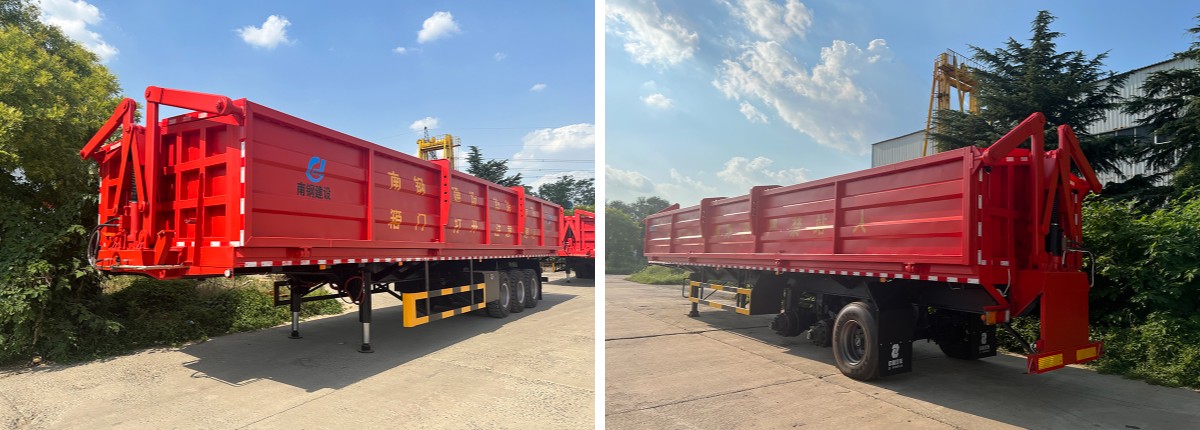
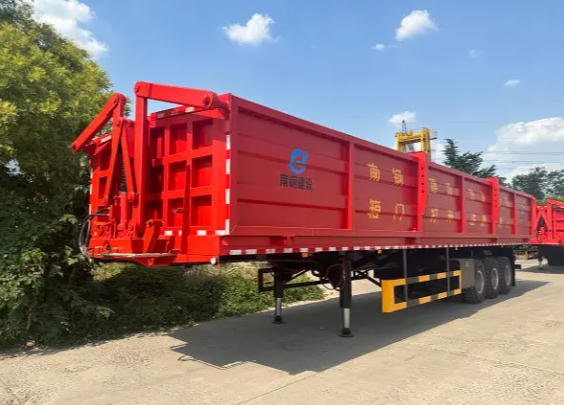
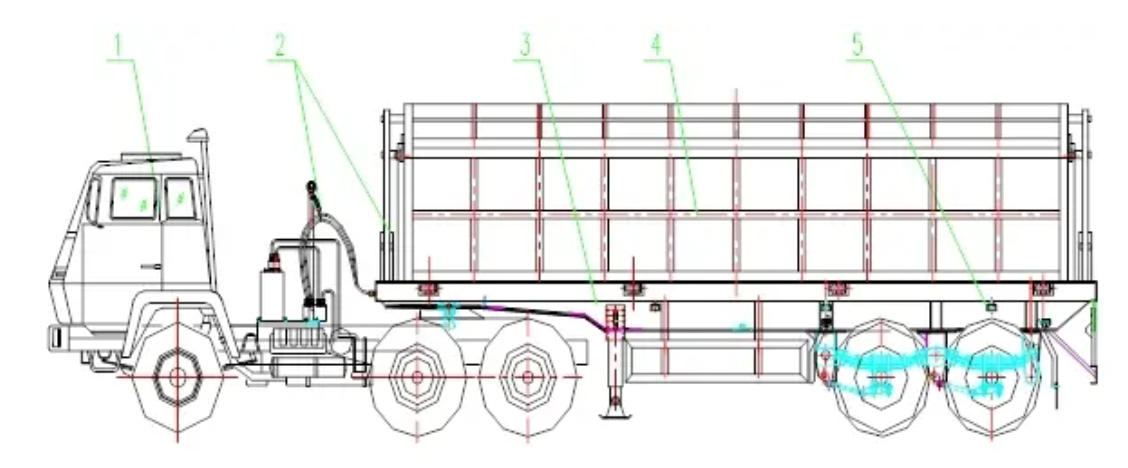
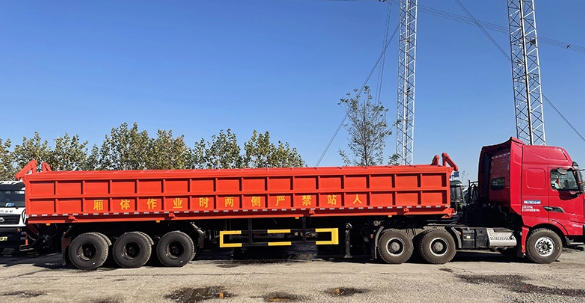
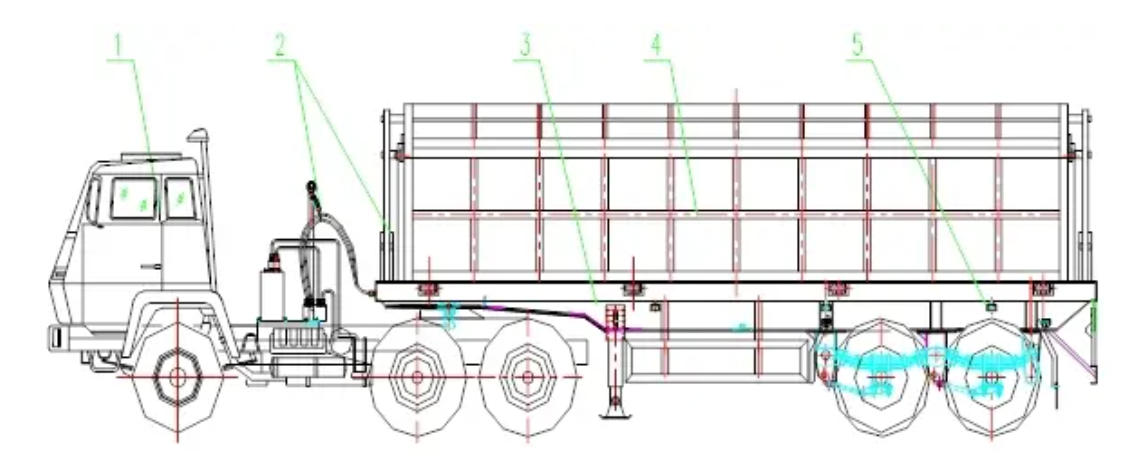
Vehicle type: Two types - single vehicle type and semi-trailer type red steel billet hot delivery truck
Appearance features: Box structure, side box doors open downward hydraulically, fully enclosed thermal insulation design
Transport scenarios: Transfer between different workshops within the steel mill, with the insulated box cover closed
Image highlights: Showcases the hydraulically operated side cover opening and closing mechanism and the details of the insulation material filling
Hot Billet Carrier Trailer: Comprehensive Analysis of Uses and Advantages
1. Core Uses
The high-temperature steel billet insulated transport vehicle is specialized transport equipment for steel mills. It is primarily used in the process of hot transfer and hot loading of red billets, rapidly and safely transporting newly rolled high-temperature steel billets (typically 800-1200°C) from the steelmaking plant to the hot-rolling mill or other processing workshops while maintaining insulation, achieving continuous production with little to no temperature drop.
Core advantages and characteristics
1. Significant energy savings and cost reduction (core advantage)
Energy saving dimension specific performance economic benefits
Reduce heating energy consumption The furnace temperature is increased to 750-850°C, which is about 50% less than normal temperature heating Gas The annual cost savings can reach 10 million yuan (such as Tiangang saves more than 20 million yuan per year)
Shorten heating time Reduce the heating cycle of the billet in the furnace, improve the efficiency of the heating furnace Increase the production capacity of the rolling line and reduce the unit energy consumption
Reduce the burnout rate Reduce the high-temperature oxidation time, reduce the burning loss of the surface of the billet Improve the yield and reduce the metal loss
2. Safe and reliable, ensuring transportation and production
Thermal insulation protection: Adopt double-layer plate-column box structure High-performance insulation materials (such as ceramic fiber, refractory bricks) to isolate high temperature from the vehicle chassis, protect key components such as brake systems and hydraulic pipelines, and prevent spontaneous combustion or lock-up accidents caused by high temperatures
Closed design: The fully enclosed cabin prevents heat radiation from injuring people, and at the same time avoids rain and snow and other bad weather affecting the quality of the billet
Intelligent control: remote control / automatic opening and closing system, safe, time-saving and labor-saving, reducing manual operation risks
Structural strengthening: Made of special steel, with strong load-bearing capacity, it meets the needs of structural stability under high temperature working conditions
3. Improve product quality
Temperature uniformity: Reduces billet temperature fluctuations and avoids microstructure stress and cracks caused by uneven cooling
Surface quality improvement: Reduce surface oxidation and decarburization caused by secondary heating and improve the surface finish of steel
Performance Stability: Maintains the austenitic structure of the billet to ensure consistent mechanical properties after rolling, especially suitable for high-end alloy steels
4. Efficient and flexible, adapting to the production rhythm
Easy loading and unloading: hydraulically driven folding/sliding insulated compartment cover, with unmanned vehicles for quick loading and unloading, reducing waiting time
Efficient transportation: less loading and unloading time and shorter transportation time than train transportation, suitable for short-distance (1-5km) high-frequency transfer
Flexible mode: It can be designed as a dual-purpose type (thermal insulation / general transportation switching) to improve equipment utilization
Production coordination: Balance the rhythm of smelting and hot rolling, reduce intermediate inventory, and achieve continuous production
5. Green and environmentally friendly, in line with sustainable development
Reduced carbon emissions: Lower energy consumption, directly reducing greenhouse gas emissions such as CO₂
Reduce noise pollution: The insulation structure also has the function of noise reduction, improving the working environment of the factory
Waste reduction: Reduce the amount of iron oxide sheet produced by billets and reduce the cost of solid waste disposal